
Beyond the Language Barrier: Inside NTT Medical Center Tokyo's International Office
Falling ill in a country where you don't speak the language is frightening. At NTT Medical Center Tokyo, the International Office helps international patients navigate healthcare in Japan with language and practical support. We spoke with Ms. Marika Rumph of the International Office about how her team bridges language, culture and healthcare systems for nearly 20,000 outpatient visits a year.
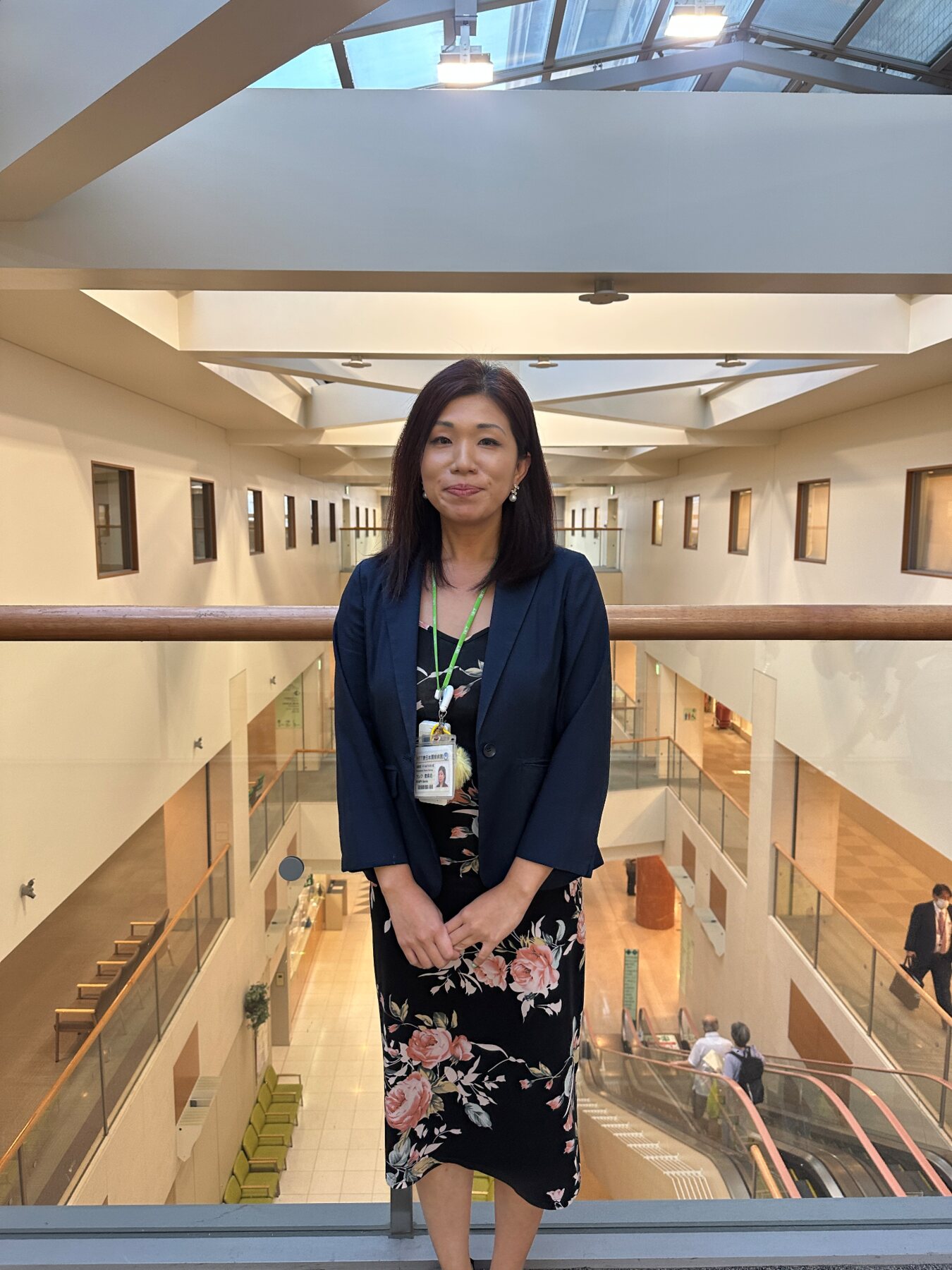
A bridge between patients and the hospital
"Our main role is to support international patients, starting with language, so they can receive care in Japan with peace of mind," says Ms. Rumph. The team interprets during consultations, examinations and treatment, and translates hospital documents such as medical certificates and consent forms.
Its work does not stop at the bedside. The office is also the hospital's link to the outside world, working with overseas insurers on billing, with embassies, and with hospitals and medical organizations abroad. "We see ourselves as a bridge," says Ms. Rumph, "between the clinical team and patients, and with organizations in Japan and abroad."
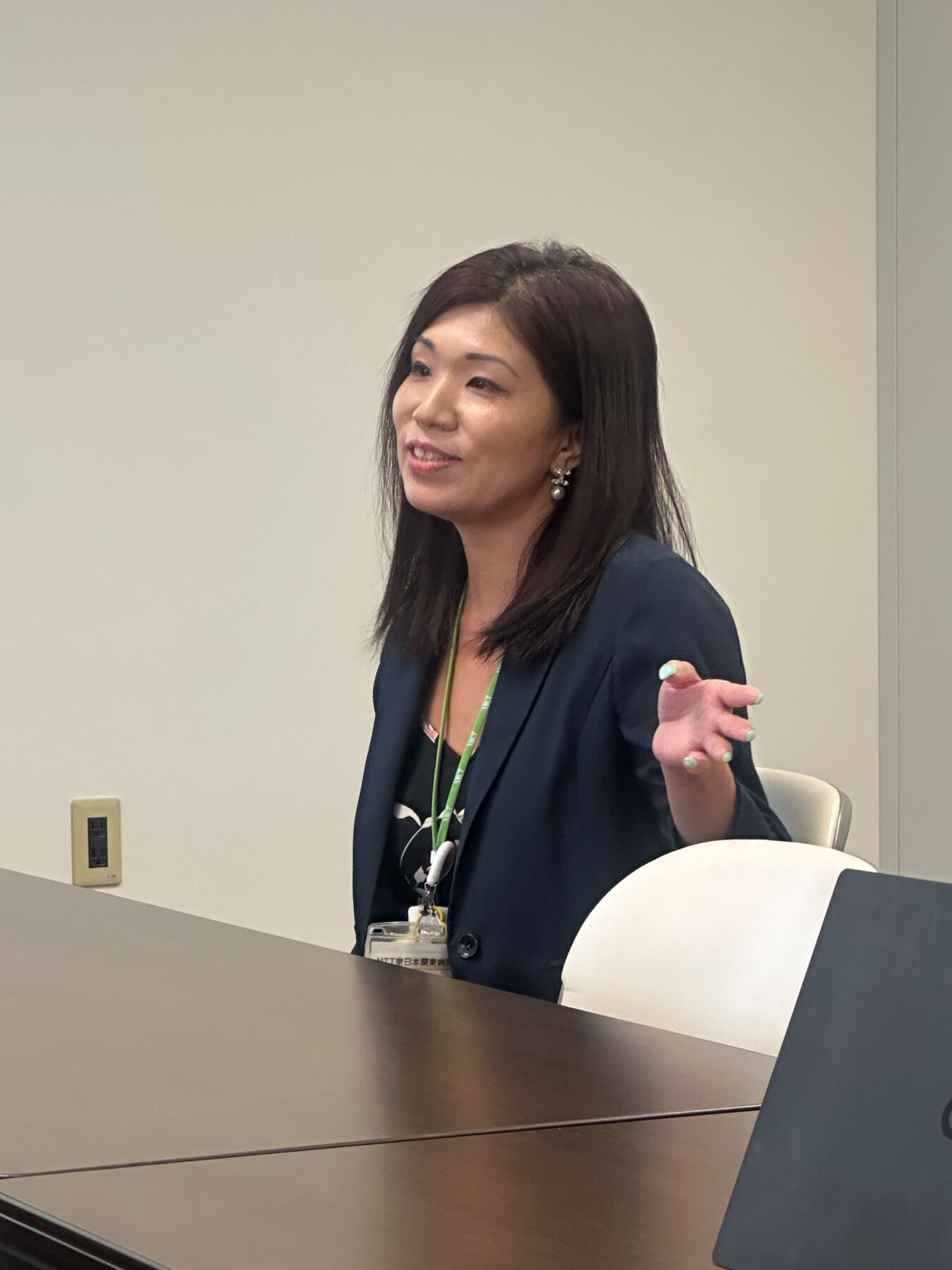
From first inquiry to your consultation
For patients, that support begins before they ever set foot in the hospital. Whether you reach out through Nippon Health, the hospital's English or Chinese website, by phone or by email, your inquiry goes straight to the International Office, which then arranges your appointment for you.
On your first visit, an interpreter helps you register wherever language support is needed. During consultations and treatment, staff with medical interpreting qualifications stay by your side, and general interpreting staff and tablets guide you through the remaining steps.
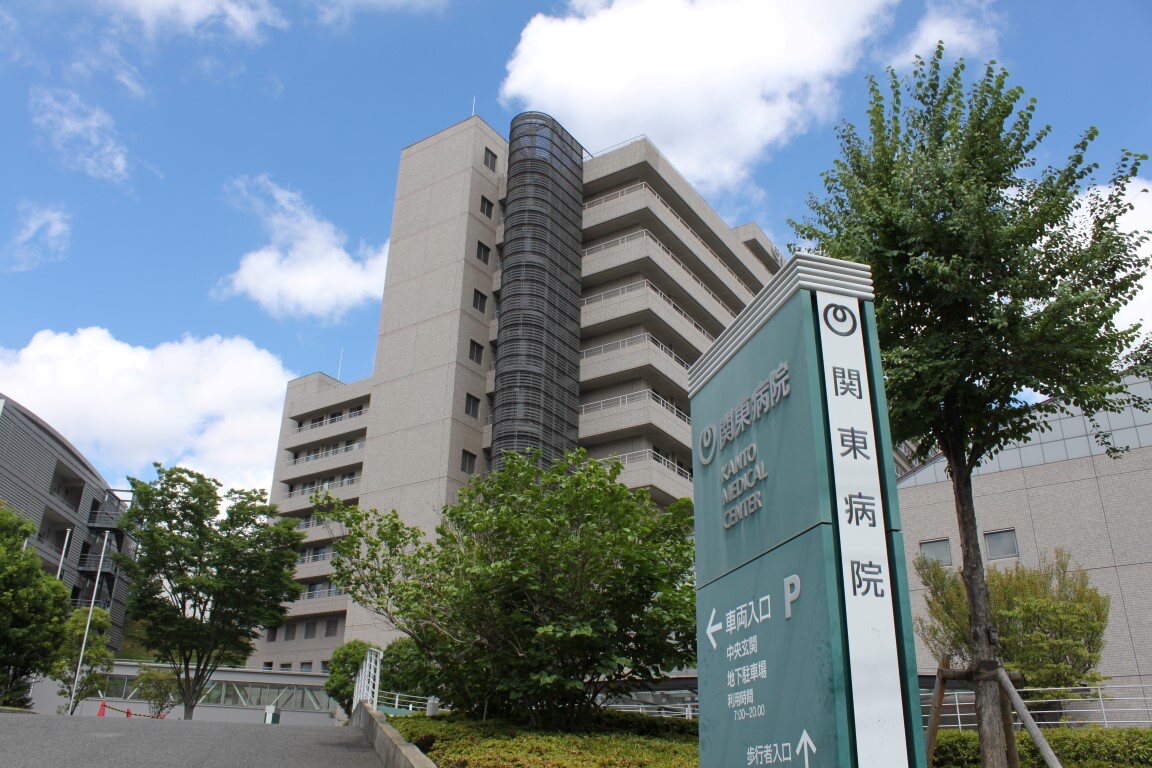
A team that knows what it's like to be far from home
Behind this support is a team that understands its patients' situation from experience. Many of its members are qualified medical interpreters. About half have lived overseas, and many interpreted at other hospitals before joining.
"Each of us brings experience from different hospitals and countries," says Ms. Rumph. "We discuss how best to support each patient and advise one another. That is our strength as a team."
The team also translates the hospital's multilingual signage, patient documents and disaster guidance, and joins regular fire and earthquake drills in which staff give evacuation instructions in English, so that language is never a barrier, even in an emergency.
Welcoming patients from around the world
The scale of that work is considerable. In fiscal year 2025, the hospital recorded just under 20,000 outpatient visits by international patients and admitted about 500 international inpatients.
International patients, fiscal year 2025
- Outpatient visits: just under 20,000
- Inpatients: about 500
- Inpatients living in Japan: about 75%
- Non-resident inpatients: about 25%
About 25%
Patients include foreign residents of Japan, travelers, and people who come to Japan specifically for treatment. With tourism rising, several visitors walk in each day with an illness or injury. Each arrives with different needs, and the team adapts to every one.
More than translation
Interpreting starts with listening. Some requests are hard to meet at a Japanese hospital because of differences in culture or healthcare systems. "Rather than simply saying no, we first listen carefully and explore what may be possible within the hospital," says Ms. Rumph.
Ms. Rumph knows the anxiety of being a patient abroad first-hand. "When I lived in the United States, I felt vulnerable at the hospital, even though I spoke English. Being ill or injured is stressful enough. Not being able to communicate makes it even harder."
That understanding shapes how the team helps patients navigate cultural and practical differences. Patients claiming from overseas insurers need medical certificates, so the team takes the time to explain why these carry a fee in Japan. Other cultural and practical needs are considered on a case-by-case basis.
The moments that matter most
"The happiest moments for an interpreter are when patients or their families say thank you," says Ms. Rumph. Some of those words of thanks have come after the hardest journeys. The team has supported patients and their families through serious illnesses and long periods of treatment. Their families said that having an interpreter by their side gave them strength.
"Knowing that I helped patients and their families feel reassured through serious illness and long treatment," Ms. Rumph says, "is what makes this work so rewarding."
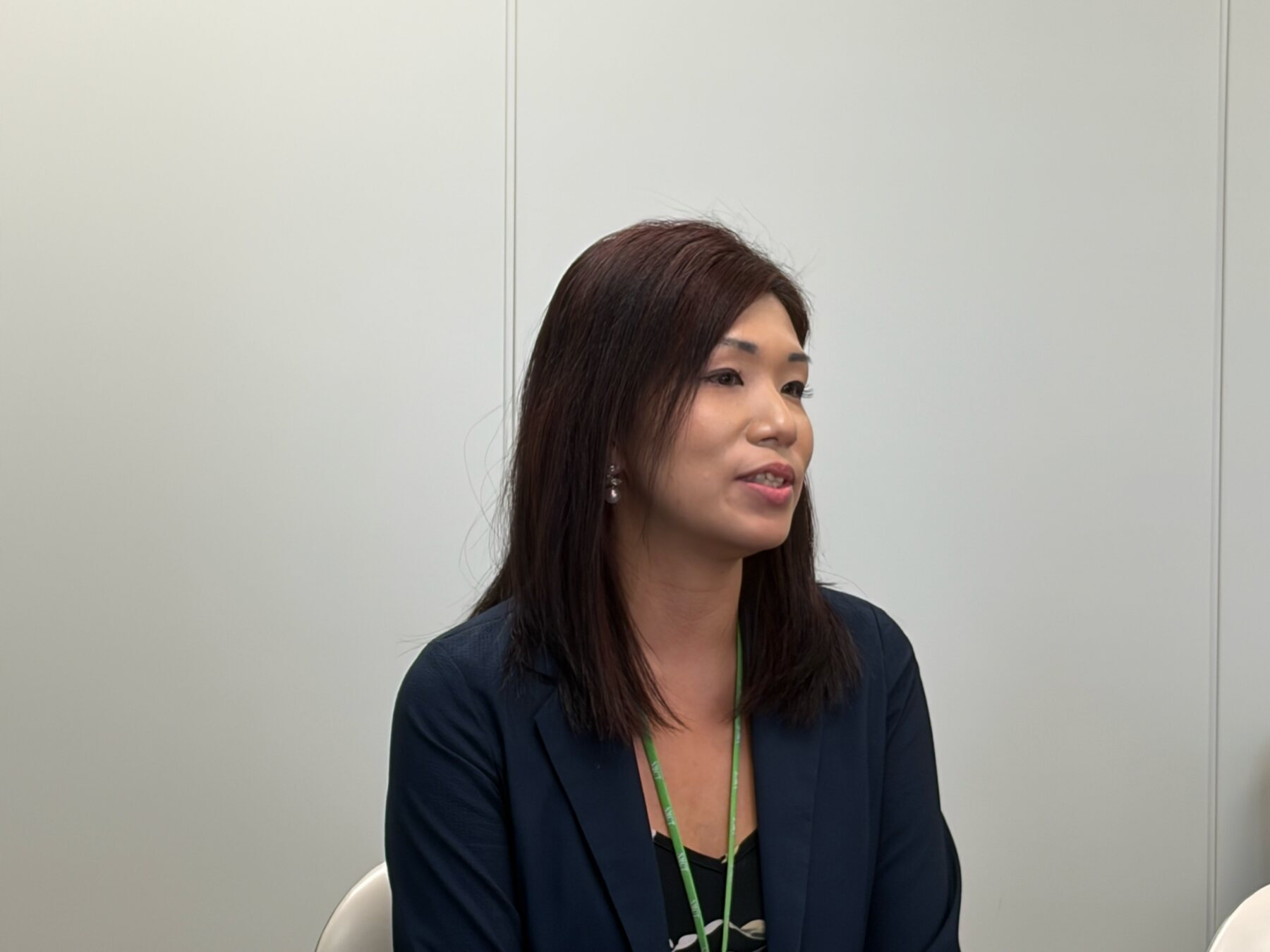
A message for anyone considering care in Japan
For anyone hesitating to seek care in Japan, Ms. Rumph has a simple message: "Many people worry about getting medical care in Japan. Japan has a high standard of medical care, so please don't hesitate to reach out to us first. We want to do everything we can so you can receive care with peace of mind."
Ms. Rumph, International Office, NTT Medical Center Tokyo
Considering a checkup at NTT Medical Center Tokyo? Contact Nippon Health at nippon-health.com and our team will help you take the first step.