
Eat Well, Live Longer
How the Japanese Diet Supports World-Leading Longevity
It’s often said that food is medicine—and nowhere is that more evident than in Japan, the country with the highest life expectancy in the world. The average Japanese person lives well into their 80s, with significantly lower rates of heart disease, obesity, and certain cancers than people in Western countries. So, what’s on the menu?
Food as the Foundation of Health
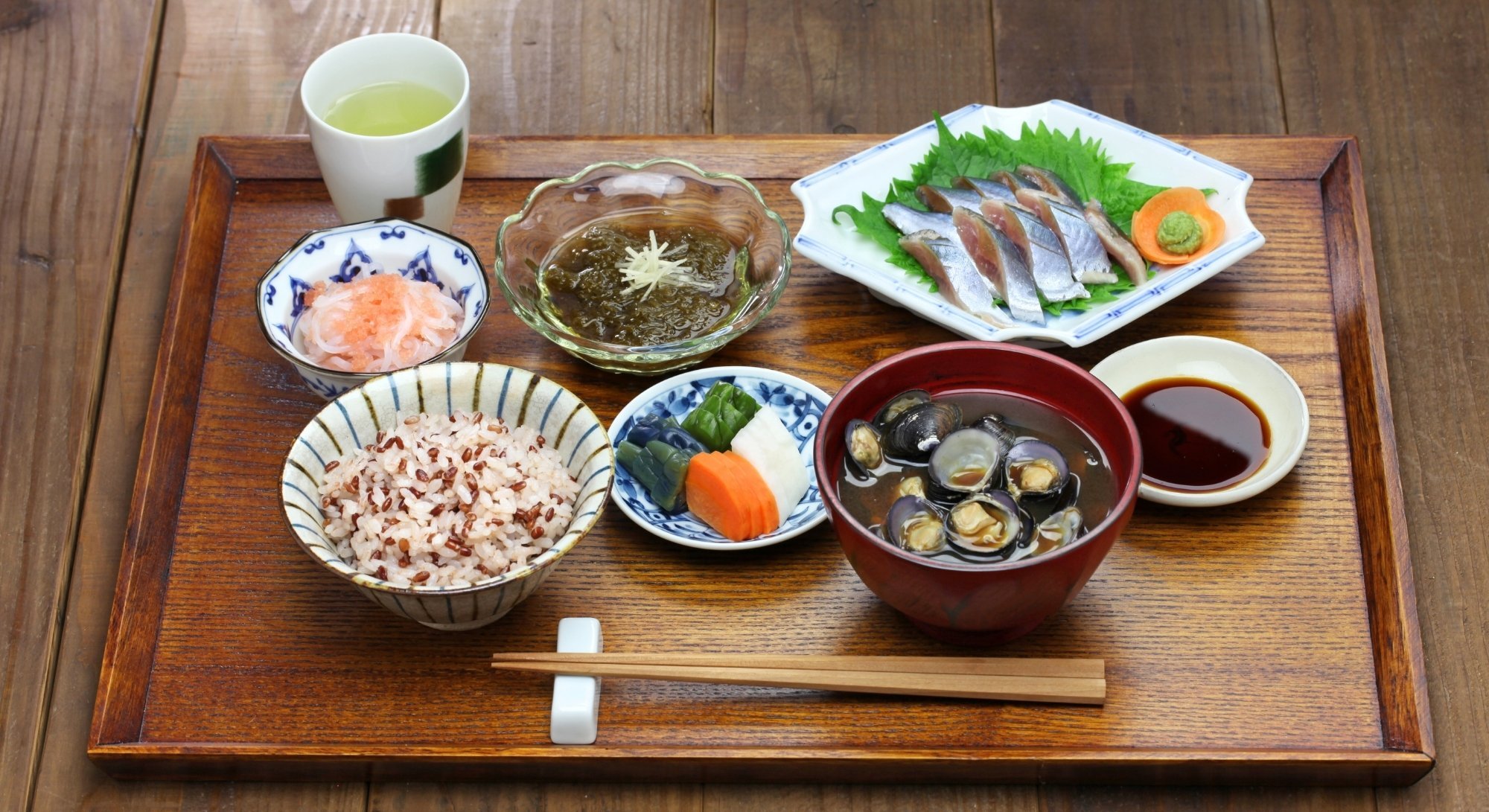
At the heart of Japanese longevity is a way of eating that prioritizes quality, variety, and balance. The traditional Japanese diet—known as washoku —emphasizes whole, minimally processed foods like steamed rice, grilled fish, seaweed, pickled vegetables, tofu, miso soup, and green tea. Meals are light yet satisfying, with an emphasis on seasonal ingredients and mindful portion sizes.
Compared to Western diets, the Japanese consume:
Less red and processed meat , dairy, and sugar
More fish and seafood , offering omega-3s that support heart and brain health
More soy-based foods like tofu and miso, which are rich in isoflavones linked to lower cancer risk
More green tea , consumed without sugar and shown to reduce the risk of heart disease and early death
Caloric intake is also lower overall. On average, Japanese people consume about 2,700 kcal per day—far below the 3,500+ often consumed in the West.
Low Obesity, Lower Risk
These food choices aren’t just tradition—they translate directly into health outcomes. Japan’s obesity rate is under 5%, compared to over 25% in Canada and the U.S. Since obesity is a major risk factor for heart disease, diabetes, and certain cancers, this alone gives the Japanese a major health advantage.
What’s more, the lower intake of saturated fat and processed sugars helps reduce inflammation and protect against chronic disease. Simply put, the Japanese way of eating is protective, not harmful.
Enter: The Ningen Dock
But diet is just one side of the equation. Japan also leads in preventive care —most notably through the Ningen Dock , a full-body health screening program offered at hospitals nationwide. The Ningen Dock is designed to detect disease early, often before symptoms appear, and is part of why Japan doesn't just live longer—they live healthier.
Together, a healthful diet and proactive medical checkups create a powerful one-two punch for long life.
Want to take control of your health? Start by eating like the Japanese—and consider booking a Ningen Dock to get a full picture of your wellness.
Source: “Why do the Japanese have the highest life expectancy in the world?” Observatoire Prévention (Institut de Cardiologie de Montréal), March 9, 2021